Whatever your Apparel Need - Create an Impression with Custom Embroidered Logowear

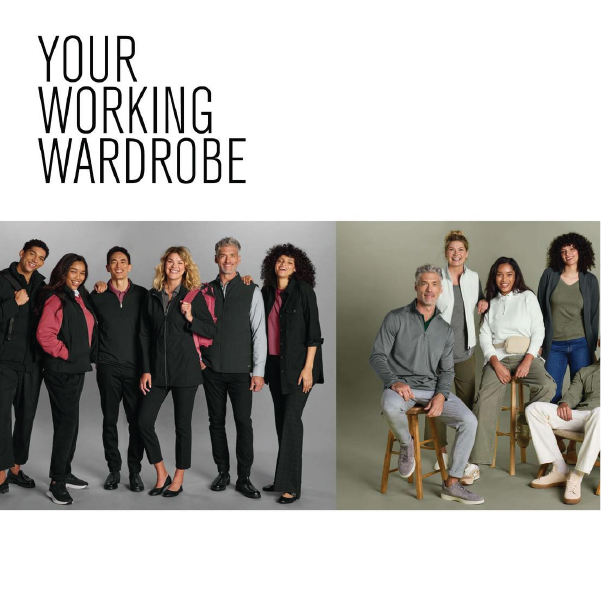
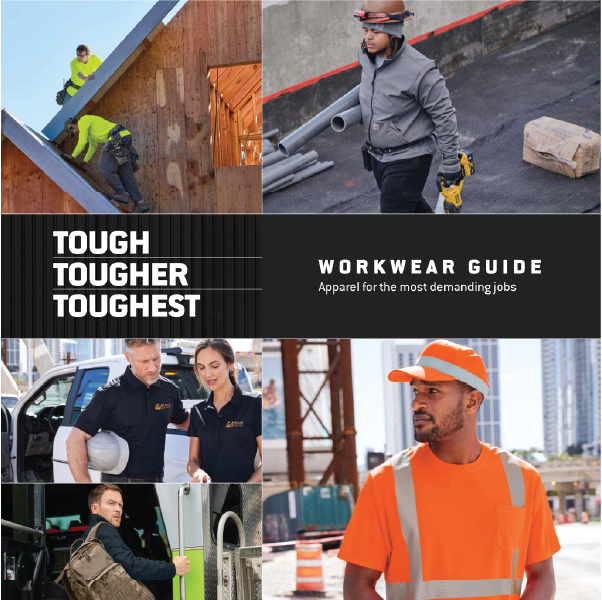
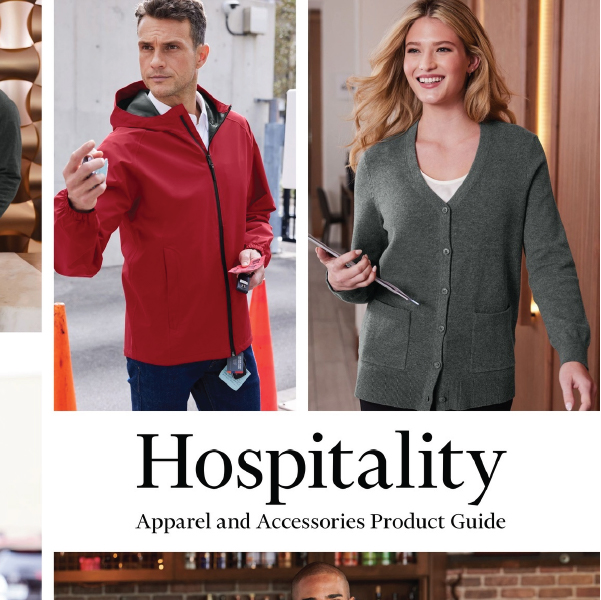
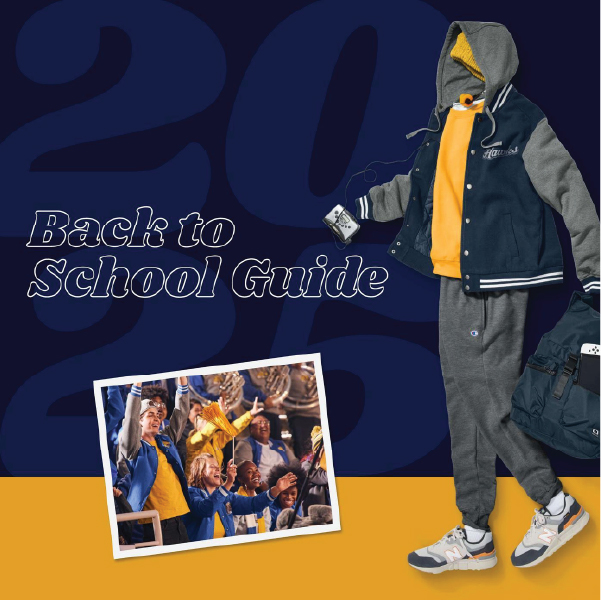
Start the process with the perfect apparel item. Click on the images below to view catalogs or let us know what you’re looking for and we’ll bring you options to choose from. Let us know the item #’s, sizes & quantities per size. You can upload your logo or artwork using the “Request Quote” button below and we will contact you to confirm your request. Contact us using the form, email, or call us direct ~ “the old fashion way” for any help needed.  We’re good with whatever works best for you!

20 Catalogs to choose from below.. If you don't see it here, just ask!

Sanmar - Full Catalog
Sanmar - Professional Workwear
Sanmar - Healthcare Apparel & Accessories
Sanmar - Workwear
Sanmar - Hospitality
Sanmar - First Responders
Sanmar - School Apparel
Sanmar - Teamwear
Sanmar - Carhartt
Nike Apparel
S&S Adidas
S&S Columbia Apparel
S&S Full Catalog
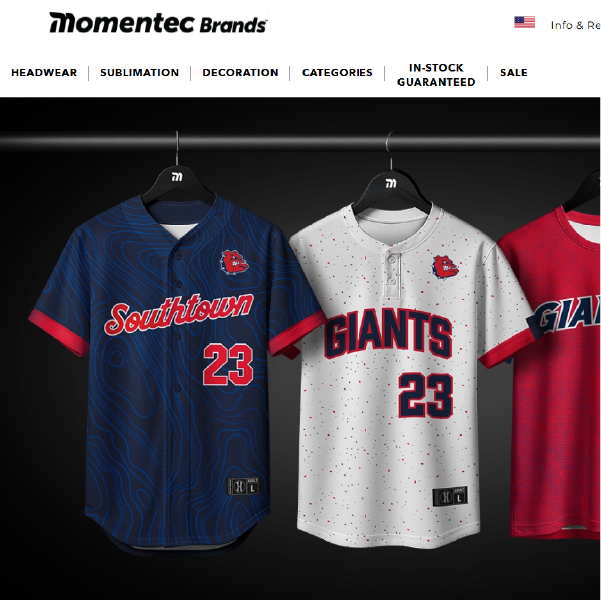
Momentec Brand Sportswear
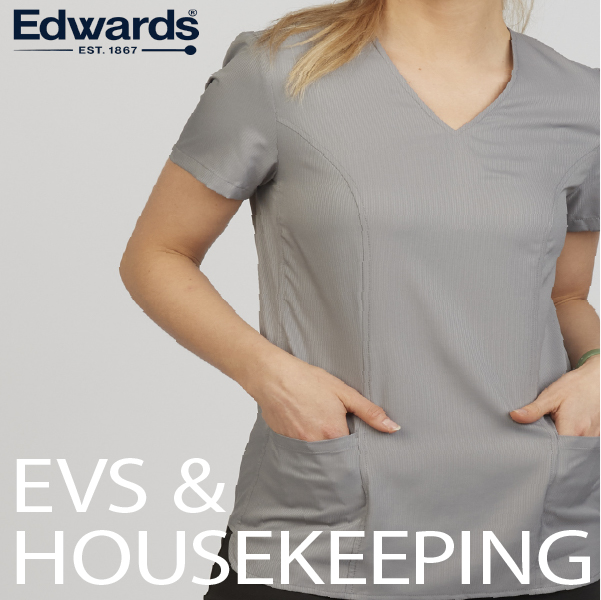
Edwards EVS & Housekeeping
Edwards Security Apparel
Edwards - Full Catalog
Edwards Casino & Gaming Apparel
Edwards Hospitality & Food Service
Edwards Suiting & Neckwear

Embroidery Ordering Guideline

To order screen printing services, follow these general steps:
  1. Request your quote: Let us know what apparel item /style# you’re wanting. Search through our catalogs or let us know what you want i.e. Polos, Tee Shirts, Uniforms, Jackets etc. and we can also bring ideas to you.
  2. Place your order: Let us know you’re ready to begin. We will go over with you Quantities, Sizes, Colors, Turnaround time needed, delivery location(s) + any other specifics.
  3. Create designDesign your embroidery project, including your Logo, graphics, and desired placement. We can work with your graphic designer, re-create your image or help you come up with the graphic design or logo.
  4. Upload your designUpload your design to  our website or our FTP site
  5. Review and approve: We will review your artwork for quality and approval & provide print ready proofs for your approval prior to production.  Your embroidery will then be digitized and you will be able to approve before proceeding to final embroidery production.
  6. Receive your order: Once approved, we will embroider and ship your order to the location(s) you relay to us.  Once your item ships we will email tracking so you know when to expect your product.

What is Embroidery?

Machine Embroidery: From Digital Files to Physical Stitches

If hand embroidery is an art, machine embroidery is both art and science—a symphony of motors, sensors, and software working in harmony. Here’s how a digital design becomes a tangible stitched masterpiece:

1. Computer Control Systems: It all starts with digitization. Specialized CAD software converts your artwork into a set of coordinates and instructions—mapping every stitch, color change, and direction. This digital file is then loaded into the embroidery machine’s onboard computer.

2. Motor Coordination and Pantograph Movement: Stepper motors drive the “pantograph”—the frame that holds your hooped fabric—moving it precisely along X and Y axes. Meanwhile, a Z-axis motor controls the up-and-down motion of the needle. The result? Your fabric glides smoothly under the needle, following the exact path dictated by your design.

3. Needle and Thread Hook Mechanisms: As the needle plunges through the fabric, a rotary hook below catches the upper thread, looping it around the bobbin thread to form each stitch. The take-up lever then pulls the thread tight, setting up for the next cycle. This dance repeats at dizzying speeds, with industrial machines capable of thousands of stitches per minute.

4. Precision Threading and Tension Systems: Machine embroidery demands meticulous setup. The upper thread must pass through tension discs, guides, and the needle eye in the correct sequence; the bobbin is wound with specialized thread for smooth, even feeding. Tension dials and sensors ensure every stitch is just right, preventing breakage or slack.

5. Advanced Stitch Types: Modern machines can execute a variety of stitches—satin, fill, chain, moss/chenille—each requiring unique timing, thread handling, and pantograph movement. For example, chenille stitching uses hooked needles to create plush, looped textures, while chain stitching forms continuous linked loops for a classic look.

6. Hooping and Fabric Stabilization: Accurate hooping is non-negotiable. While traditional hoops rely on manual adjustment, magnetic hooping systems (like those from MaggieFrame) offer automatic adaptation to fabric thickness, ensuring even tension and reducing operator fatigue.

7. Quality Control and Troubleshooting: Machine operators monitor thread supply, change bobbins, and check for breaks or misalignments. Regular maintenance and precise calibration keep everything running smoothly—because even the most advanced machine is only as good as its setup.

By understanding the inner workings of embroidery machines, you unlock the potential to create complex, professional-quality designs with efficiency and confidence.


Embroidery

Embroidery involves stitching designs onto fabric using needle and thread, creating raised, decorative patterns that add texture and visual interest. Unlike flat printing, embroidery provides three-dimensional quality, making it unique form of textile art. It can be used on various items, including clothing, accessories, and home décor, allowing for personal expression and creativity.

History of Embroidery

Embroidery has long and fascinating history, dating back thousands of years. 
Some key points include:

Ancient OriginsThe earliest evidence of embroidery can be traced to ancient Egypt, where embroidered garments were found in tombs, dating back over 5,000 years. 

 
Cultural SignificanceThroughout history, embroidery has been used to signify social status and cultural identity. In medieval Europe, for example, beautifully embroidered garments were symbols of wealth and power. 
 
Global InfluenceDifferent cultures have developed their unique embroidery styles, such as Chinese silk embroidery, Persian gold thread techniques, and Indian Zardozi work, each reflecting their cultural heritage.

What Items Can be Embroidered?

You can embroider a variety of apparel items, including:

T-shirts and tank tops: Great for beginners with easy-to-hoop fabrics. 

Hoodies and sweatshirts: Perfect for adding logos or graphics. 
Polo shirts and uniform shirts: Popular for business branding. 
Outerwear: Jackets, blazers, and varsity jackets can be embroidered for a custom look. 
Jeans and pants: Personalize pockets or cuffs for a unique touch. 
 
*Once we know the item(s) you are wanting & embroidery requirements, we can work to design the perfect solution for you. We will always give you a sewout proof prior to production so you know exactly what you can expect as the final product.