What is Screen Printing?  

Whatever your Apparel Need - Create an Impression with Custom Screen Printed Logowear

Start the process with the perfect apparel item. Click on the images below to view catalogs or let us know what you’re looking for and we’ll bring you options to choose from. Let us know the item #’s, sizes & quantities per size. You can upload your logo or artwork using the “Request Quote” button below and we will contact you to confirm your request. Contact us using the form, email, or call us direct ~ “the old fashion way” for any help needed.  We’re good with whatever works best for you!

20 Catalogs to choose from below.. If you don't see it here, just ask!

Sanmar - Full Catalog
Sanmar - Professional Workwear
Sanmar - Healthcare Apparel & Accessories
Sanmar - Workwear
Sanmar - Hospitality
Sanmar - First Responders
Sanmar - School Apparel
Sanmar - Teamwear
Sanmar - Carhartt
Nike Apparel
S&S Adidas
S&S Columbia Apparel
S&S Full Catalog
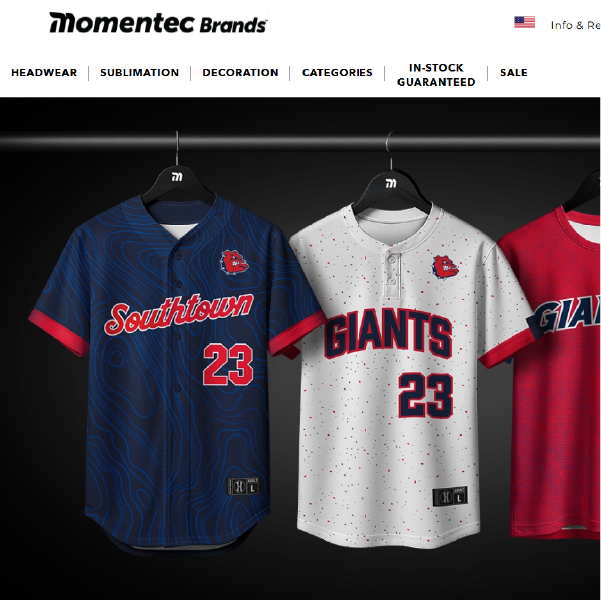
Momentec Brand Sportswear
Edwards EVS & Housekeeping
Edwards Security Apparel
Edwards - Full Catalog
Edwards Casino & Gaming Apparel
Edwards Hospitality & Food Service
Edwards Suiting & Neckwear

Screen Printing Ordering Guideline

To order screen printing services, follow these general steps:
  1. Request your quote: Let us know what apparel item /style# you’re wanting. Search through our catalogs or let us know what you want i.e. Polos, Tee Shirts, Uniforms, Jackets etc. and we can also bring ideas to you.
  2. Place your order: Let us know you’re ready to begin. We will go over with you Quantities, Sizes, Colors, Turnaround time needed, delivery location(s) + any other specifics.
  3. Create designDesign your screen printing project, including any text, graphics, and desired placement. We can work with your graphic designer, re-create your image or help you come up with the graphic design.
  4. Upload your designUpload your design to  our website or our FTP site
  5. Review and approve: We will review your design for quality and approval & provide print ready proofs for your approval prior to production.
  6. Receive your order: Once approved, we will print and ship your order to the location(s) you relay to us.  Once your item ships we will email tracking so you know when to expect your product.

What is Screen Printing?

Spot Color Screen Printing

Summary Definition: Spot color screen printing refers to using discrete colors, one by one, to print an image wherein each color is printed via a separate screen.

Halftone Printing

Brief Definition: Halftone printing creates shading and gradient effects through small dots for greater design detail and a subtler color transition.

Grayscale Printing

Definition Brief: Grayscale screen printing utilizes a gradient of different shades of black to generate the impression of depth and dimension, but without applying color. 

Duotone Printing

Short Definition: Duotone printing uses two colors to produce a more vibrant and dynamic look compared to standard black-and-white printing, which often uses shades of the same color.

CMYK (4-Color) Printing

Definition Summary: CMYK printing applies four colors, cyan, magenta, yellow, and black, to build up a full spectrum of colors by overlapping ink layers.

Simulated Process Printing

Brief Definition: Simulated process printing uses a sequence of halftone dots and spot colors to mimic the appearance of full-color designs, especially on dark fabrics.

Conclusion

Screen printing is a powerful method for producing high- quality, durable prints across various applications. Whether for fashion, art, or promotional materials, the flexibility of screen printing techniques allows for endless creative possibilities. By understanding the different methods and their best uses, you can choose the right approach for your next project.

Definition and Process

Screen printing, also known as silk screen printingis method where ink is pushed through stenciled mesh screen onto substrate, such as fabric, paper, or plastic. The process involves the following steps:
  1. Creating the Stencilstencil is made on the mesh screen, which blocks certain areas from receiving ink. This can be done using various methods, including applying a light-sensitive emulsion that hardens when exposed to light.
  2. Setting Up the ScreenThe screen is stretched tightly over frame, ensuring that it is under tension for accurate printing.
  3. Applying InkInk is placed on the screen, and squeegee is used to push the ink through the open areas of the stencil onto the substrate below.
  4. Curing the InkAfter printing, the ink must be cured (dried) to ensure it adheres properly to the material, which can be done through air drying or heat application. 

    Advantages

    • Vivid ColorsScreen printing produces bright and bold colors, even on dark materials.
    • DurabilityThe prints are long-lasting and resistant to fading.
    • Cost-EffectivenessIdeal for large production runs, as the setup costs are spread over many items.
    • VersatilityCan be used on wide range of materials, including fabric, wood, and glass. 


      Screen printing remains popular choice for both artistic and commercial applications due to its unique ability to produce high-quality, durable prints efficiently.

    Applications

    Screen printing is widely used across various industries for creating:
    • TextilesCustom T-shirts, bags, and other clothing items.
    • Posters and ArtworkProducing vibrant graphics and art prints.
    • Promotional MaterialsItems like decals and banners.
    • Industrial Applications: Printing on metal, glass, and plastic for various products. 

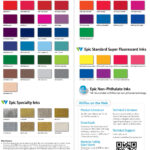
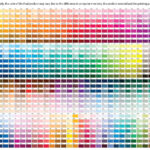
Ink Reference Charts

Click on thumbnails below for standard Plastisol colors – left & PMS Ink Colors on right.